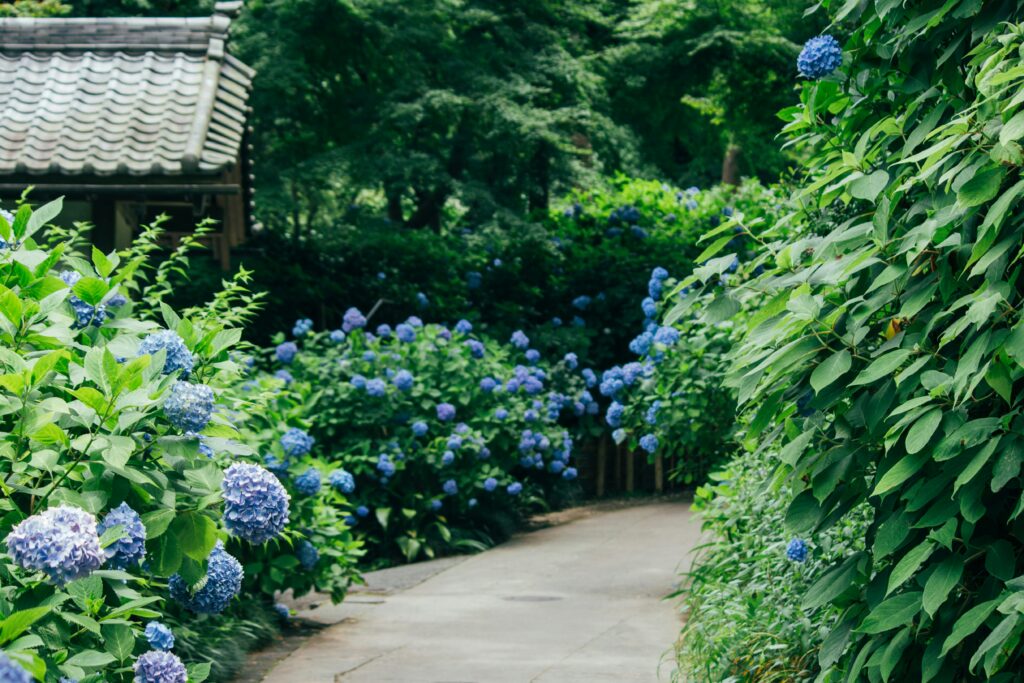
Your complete, zone-by-zone guide to show-stopping hydrangea blooms this year
If you’ve ever stood in front of your hydrangea in July wondering “Why isn’t this thing covered in blooms like my neighbor’s?” — you’re not alone. Hydrangeas are beloved for their spectacular flower displays, but getting maximum blooms requires understanding a few key secrets.
The good news? 2026 can be your year for the most impressive hydrangea display you’ve ever had. Whether you’re growing classic mopheads, elegant lacecaps, towering panicles, or charming oakleafs, this guide will show you exactly what to do- and when to do it- in order to coax out every possible bloom.
The #1 Secret to Maximum Blooms: Know Your Hydrangea Type
Here’s the truth that most gardening articles bury: not all hydrangeas bloom the same way. Some produce flowers on old wood (last year’s stems), others on new wood (this year’s growth), and some bloom on both.
Prune the wrong type at the wrong time, and you’ll accidentally cut off all your flowers for the year. Get it right, and you’ll have blooms for months.
Quick Hydrangea ID Guide:
Bigleaf Hydrangeas (Hydrangea macrophylla)
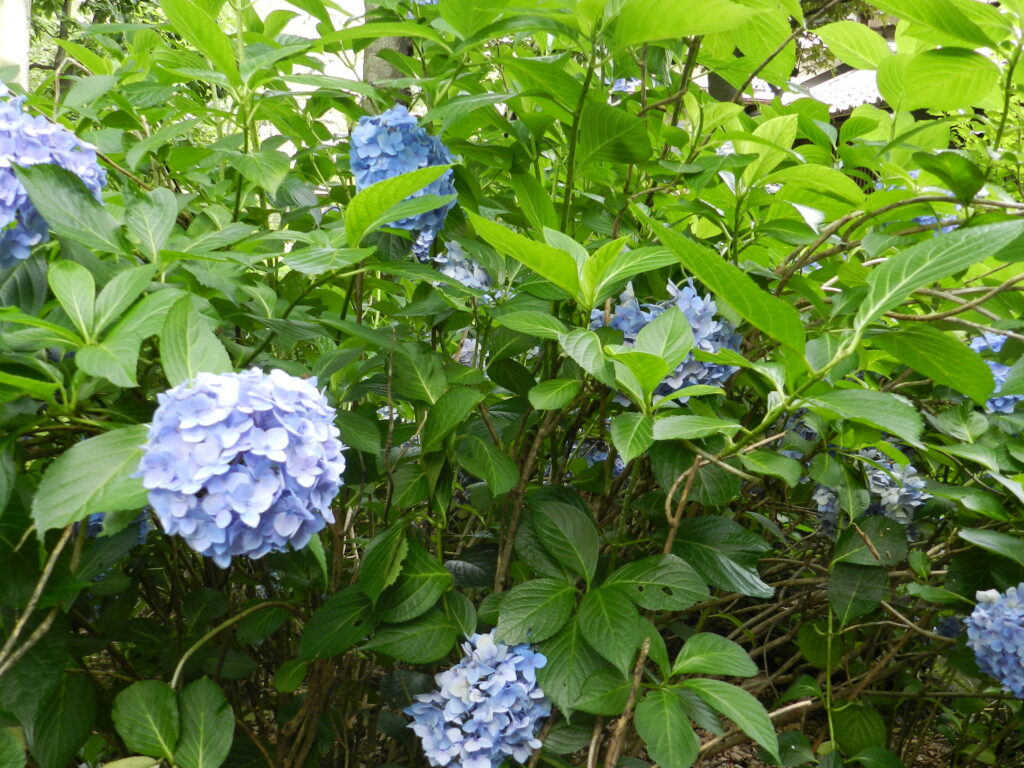
- Mophead and lacecap varieties
- Large, thick, glossy leaves
- Blooms: Typically blue, pink, or purple
- Bloom timing: Early to mid-summer
- Blooms on: OLD WOOD (except rebloomers like Endless Summer, which bloom on both)
- Zones: 5-9
Panicle Hydrangeas (Hydrangea paniculata)
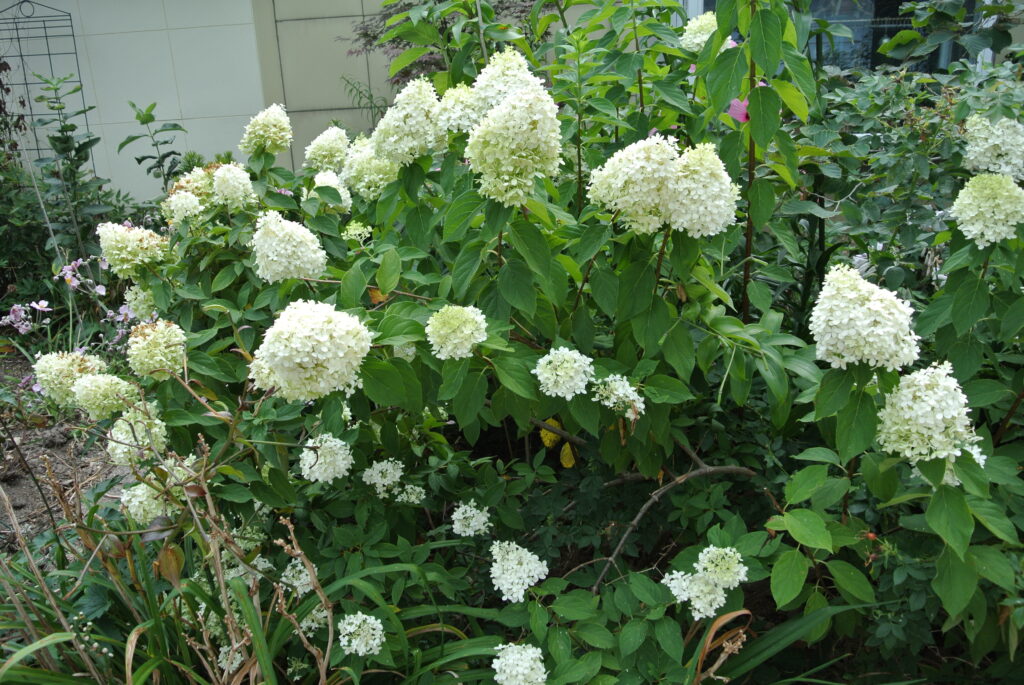
- Cone-shaped flower clusters
- Examples: Limelight, Bobo, Quick Fire
- Blooms: White turning to pink/burgundy
- Bloom timing: Mid-summer to fall
- Blooms on: NEW WOOD
- Zones: 3-8
Smooth Hydrangeas (Hydrangea arborescens)
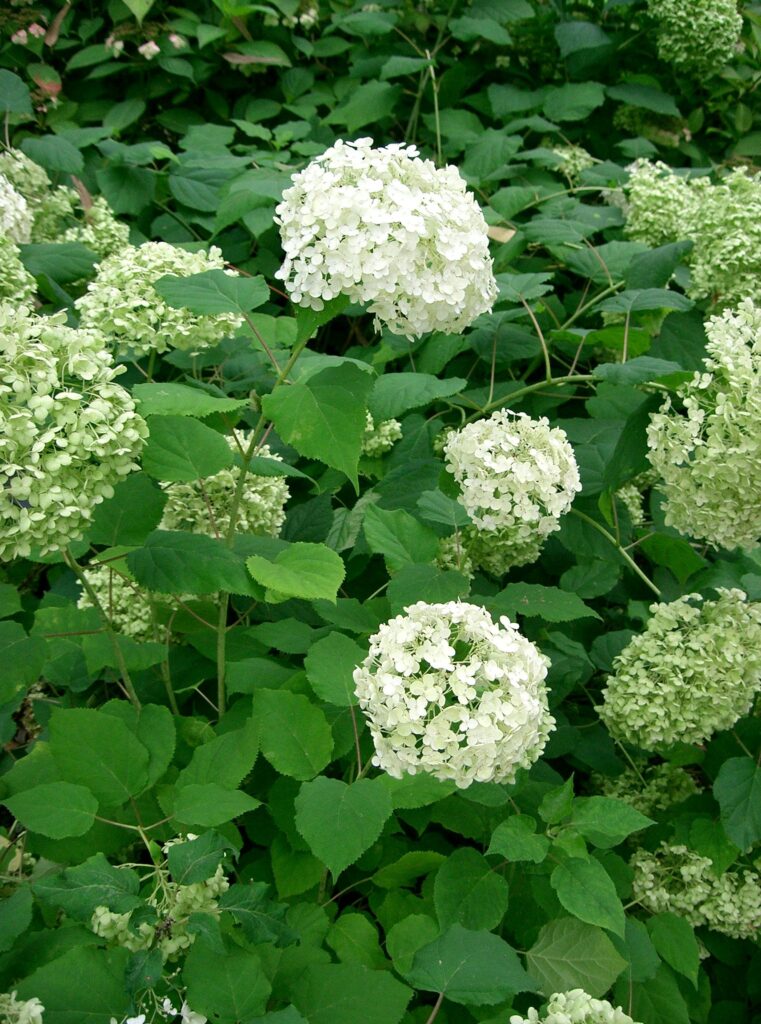
- Round, white flower heads
- Examples: Annabelle, Incrediball
- Blooms: White (sometimes pale pink)
- Bloom timing: Early summer
- Blooms on: NEW WOOD
- Zones: 3-9
Oakleaf Hydrangeas (Hydrangea quercifolia)
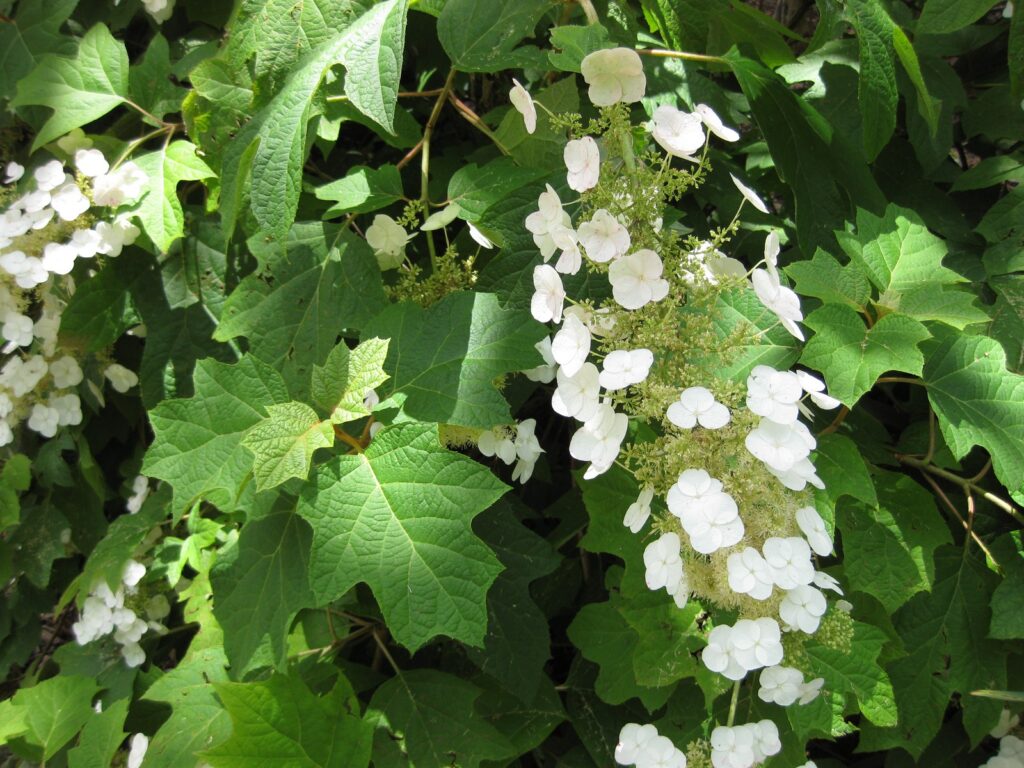
- Oak-shaped leaves, peeling bark
- Cone-shaped white blooms
- Blooms: White aging to pink/tan
- Bloom timing: Early summer
- Blooms on: OLD WOOD
- Zones: 5-9
Mountain Hydrangeas (Hydrangea serrata)
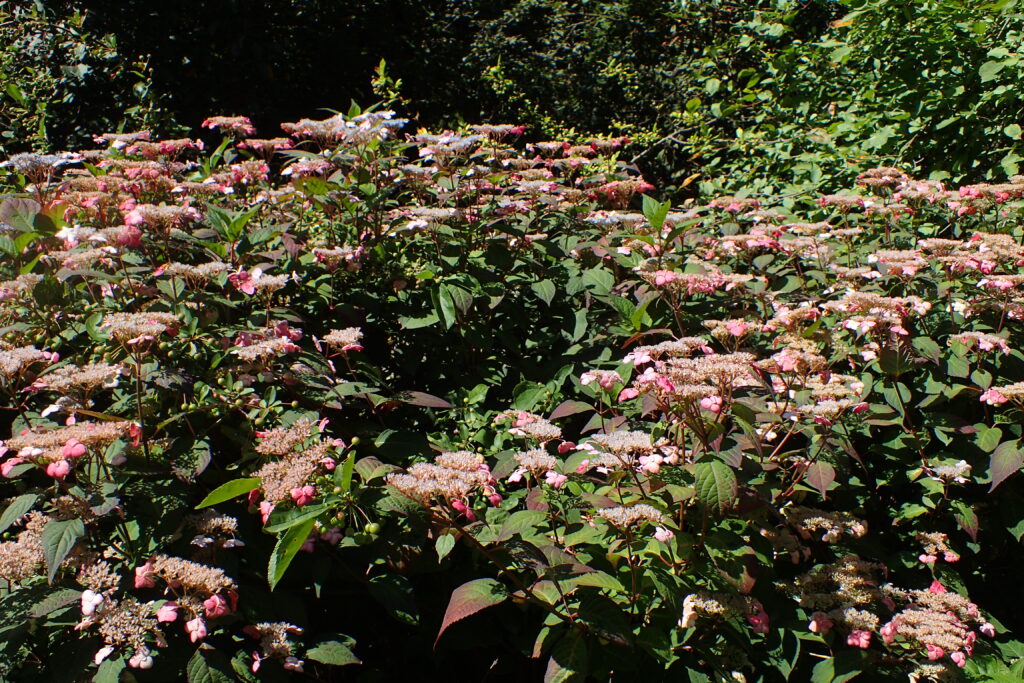
- Similar to bigleaf but smaller and more cold-hardy
- Lacecap-style flowers (delicate, smaller than bigleaf)
- Size: 2-4 feet tall (more compact than H. macrophylla)
- Blooms: Blue or pink (pH sensitive)
- Bloom timing: Early to mid-summer
- Blooms on: OLD WOOD (some rebloomers bloom on both)
- Zones: 5-9 (superior cold hardiness – best choice for zone 5)
Why choose Mountain over Bigleaf? Mountain hydrangeas are specifically bred for colder climates and harsh winters. If you’re in zones 5-6 and struggle to keep bigleaf hydrangeas alive through winter, mountain hydrangeas are your answer. They’re also perfect for smaller gardens where the more compact size is an advantage.
Now that you know your type, let’s dive into the month-by-month action plan for 2026.
Your 2026 Hydrangea Success Calendar
February – March: Set the Stage for Success
CRITICAL TASK: Pruning (But Only Certain Types!)
This is where most people mess up. Here’s exactly what to do:
FOR NEW WOOD BLOOMERS (Panicle & Smooth Hydrangeas):
Zones 3-5:
- Timing: Late March to early April
- Action: Cut stems back to 12-24 inches from the ground
- Why: Encourages strong new growth that will produce massive flower clusters
- Bonus: You can prune these hard without worry—they’ll bloom beautifully on this year’s growth
Zones 6-7:
- Timing: Late February to mid-March
- Action: Same as above—cut back to 12-24 inches
- Pro tip: For panicle hydrangeas, you can leave them taller (2-3 feet) if you want a larger shrub
Zones 8-10:
- Timing: Late January to February
- Action: Prune back to desired height
- Note: In warm climates, you have more flexibility with timing
FOR OLD WOOD BLOOMERS (Bigleaf, Oakleaf, Mountain):
ALL ZONES: DO NOT PRUNE NOW!
Wait, what? That’s right—if you have mopheads, lacecaps, or oakleaf hydrangeas, put down those pruners.
Right now in late winter/early spring, those stems already have next summer’s flower buds formed. If you cut them off, you’ve just eliminated your entire bloom display for 2026.
What you CAN do:
- Remove any completely dead branches (they’ll be brown and brittle all the way through)
- Cut out winter-damaged wood once you see new leaf buds swelling
- Deadhead last year’s dried flower heads if you didn’t leave them for winter interest
March – April: Feed and Mulch
Fertilizing for Maximum Blooms
Timing varies by zone:
- Zones 3-5: Early to mid-April
- Zones 6-7: Late March to early April
- Zones 8-10: Mid to late March
What to Use:
- For most hydrangeas: Balanced fertilizer like 10-10-10 or slow-release 14-14-14
- For bigger blooms: Higher phosphorus formula like 10-20-10 (phosphorus is the middle number)
- For blue hydrangeas: Use low-phosphorus formula like 12-4-8 or 15-5-15
IMPORTANT: Don’t over-fertilize! Too much nitrogen (the first number) creates lush foliage but fewer flowers.
Mulching Magic
Apply 2-4 inches of organic mulch around the base:
- Benefits: Retains moisture, regulates soil temperature, suppresses weeds
- What to use: Shredded bark, compost, pine needles, aged wood chips
- Critical: Keep mulch 2-3 inches away from stems to prevent rot
April – May: The Color Control Window
Want Blue or Pink Hydrangeas? Now’s the Time
This ONLY works for bigleaf (H. macrophylla) and mountain (H. serrata) hydrangeas. White varieties stay white!
The Science:
- Blue flowers = Acidic soil (pH 5.0-5.5) + available aluminum
- Pink flowers = Alkaline soil (pH 6.0-6.5) + aluminum blocked
- Purple flowers = pH in between (5.5-6.0)
To Get Blue Blooms:
- Test your soil pH first (get a kit at any garden center)
- If pH is too high:
- Apply aluminum sulfate: 1 tablespoon per gallon of water
- Drench soil in March, April, and May
- Or use elemental sulfur for gradual change
- Fertilize with low-phosphorus formula (phosphorus blocks aluminum uptake)
- Add coffee grounds or pine needles to naturally acidify soil
To Get Pink Blooms:
- Raise pH to 6.0-6.5:
- Apply dolomitic lime: 1 cup per 10 square feet, water in
- Or liquid drench: 1 tablespoon hydrated lime per gallon water, apply March-May
- Use high-phosphorus fertilizer (helps block aluminum)
- Be patient: Color changes take 6-12 months
May – August: Water, Water, Water!
Hydrangeas are THIRSTY
The #1 reason hydrangeas don’t bloom well? Drought stress.
Watering Guidelines:
- How much: Deep watering 2-3 times per week (more in extreme heat)
- How to tell: Soil should be moist 2-3 inches down, never bone dry
- Best time: Early morning (allows foliage to dry, prevents mildew)
- Zones 8-10: May need daily watering in peak summer
- Zones 3-5: Usually 2x per week unless very hot
Signs of Water Stress:
- Wilting leaves (especially in afternoon)
- Leaf edges turning brown
- Smaller flowers
- Flower heads drooping
June – September: Deadheading Strategy
Should You Deadhead?
It depends on your hydrangea type and goals.
For OLD WOOD bloomers (Bigleaf, Oakleaf, Mountain):
Reblooming varieties (Endless Summer, etc.):
- Yes, deadhead! Throughout summer to encourage more blooms
- How: Cut just below spent flower, above first set of healthy leaves
- Stop when: Mid to late August (let plant set buds for next year)
For NEW WOOD bloomers (Panicle, Smooth):
- Deadhead anytime for appearance
- They’ll rebloom: Some varieties produce secondary flowers
- Or leave them: Dried flowers look beautiful into fall and winter
September – October: Protect Next Year’s Blooms
For Old Wood Bloomers – The Danger Zone™
From August onward, your bigleaf, oakleaf, and mountain hydrangeas are forming next year’s flower buds. Any pruning now = fewer flowers in 2027.
What TO do:
- Leave dried flower heads on for winter protection (they insulate buds)
- Keep watering until first frost
- Apply one last layer of fresh mulch (2-4 inches)
November – February: Winter Protection
Zones 3-5 (Cold Climate Care):
Old wood bloomers need serious protection:
- After first hard frost, leave dried flowers and leaves on plant
- Apply 12-inch layer of mulch or leaves around base
- Create protective cage of chicken wire around plant
- Fill cage with leaves or straw for insulation
Note for Zone 5: Mountain hydrangeas (H. serrata) typically survive zone 5 winters better than bigleaf types, but still benefit from 4-6 inches of winter mulch for maximum bud protection.
The 7 Biggest Mistakes That Kill Hydrangea Blooms
1. Wrong-Time Pruning
The mistake: Pruning bigleaf hydrangeas in spring
The result: You cut off all the flower buds
The fix: Only prune old-wood bloomers right after flowering (or not at all)
2. Too Much Nitrogen
The mistake: Using lawn fertilizer or high-nitrogen formulas
The result: Lush green leaves, zero flowers
The fix: Use balanced or bloom-boosting fertilizer (higher phosphorus)
3. Insufficient Water
The mistake: Quick sprinkles instead of deep watering
The result: Stressed plants with few, small blooms
The fix: Deep watering 2-3 times weekly; mulch heavily
4. Wrong Light Exposure
The mistake: Full afternoon sun (especially in hot climates)
The result: Scorched leaves, wilted plants, poor blooming
The fix: Morning sun + afternoon shade is ideal for most types
5. Planting Too Deep
The mistake: Burying the crown when planting
The result: Root rot, poor vigor, minimal blooming
The fix: Plant level with surrounding soil, crown visible
6. Ignoring Soil pH (for bigleaf types)
The mistake: Never testing or adjusting pH
The result: Flowers wrong color, aluminum deficiency, weak blooms
The fix: Test pH annually; adjust in spring for desired color
7. Deer Damage
The mistake: Leaving tender buds exposed to deer
The result: All flower buds eaten over winter
The fix: 4-foot hardware cloth fence; repellent spray; protective cage
Let YardRoutine Track Your Hydrangea Care
Remembering when to prune, fertilize, deadhead, and adjust pH for each hydrangea in your yard can be overwhelming—especially if you have multiple types.
That’s where the YardRoutine app comes in. Get personalized care schedules based on:
- Your exact plant varieties
- Your USDA hardiness zone
- Your local climate conditions
- Your specific goals (blue vs. pink flowers, maximum blooms, etc.)
With YardRoutine, you’ll receive:
- Timely reminders for pruning, fertilizing, and watering
- Zone-specific care instructions
- pH adjustment schedules for color control
- Winter protection alerts
- Bloom-maximizing tips customized to your yard
Download the YardRoutine app today and never miss another critical hydrangea care task!
Get YardRoutine on the App Store
The Bottom Line
Getting maximum blooms from your hydrangeas in 2026 comes down to three things:
- Know your type – Old wood vs. new wood determines everything
- Timing is everything – Prune at the right time (or not at all)
- Consistent care – Water deeply, fertilize smartly, protect buds
Happy growing—and here’s to your most spectacular hydrangea blooms ever in 2026!
Have questions about your specific hydrangea situation? Reach out through our support page and we’ll help you troubleshoot!
Photo Credits
All photographs courtesy of Wikimedia Commons and used under Creative Commons licenses:
Feature Image: Photo by Atul Vinayak on Unsplash
Bigleaf Hydrangea (Hydrangea macrophylla): By Dr. Koto – Own work, CC BY 3.0, https://commons.wikimedia.org/w/index.php?curid=20384497
Panicle Hydrangea (Hydrangea paniculata): By James Steakley – Own work, CC BY-SA 3.0, https://commons.wikimedia.org/w/index.php?curid=28191695
Smooth Hydrangea (Hydrangea arborescens): By KENPEI – KENPEI’s photo, CC BY-SA 3.0, https://commons.wikimedia.org/w/index.php?curid=2438678
Oakleaf Hydrangea (Hydrangea quercifolia): By Raffi Kojian – http://Gardenology.org, CC BY-SA 3.0, https://commons.wikimedia.org/w/index.php?curid=12445931
Mountain Hydrangea (Hydrangea serrata): By Krzysztof Ziarnek, Kenraiz – Own work, CC BY-SA 4.0, https://commons.wikimedia.org/w/index.php?curid=70946177